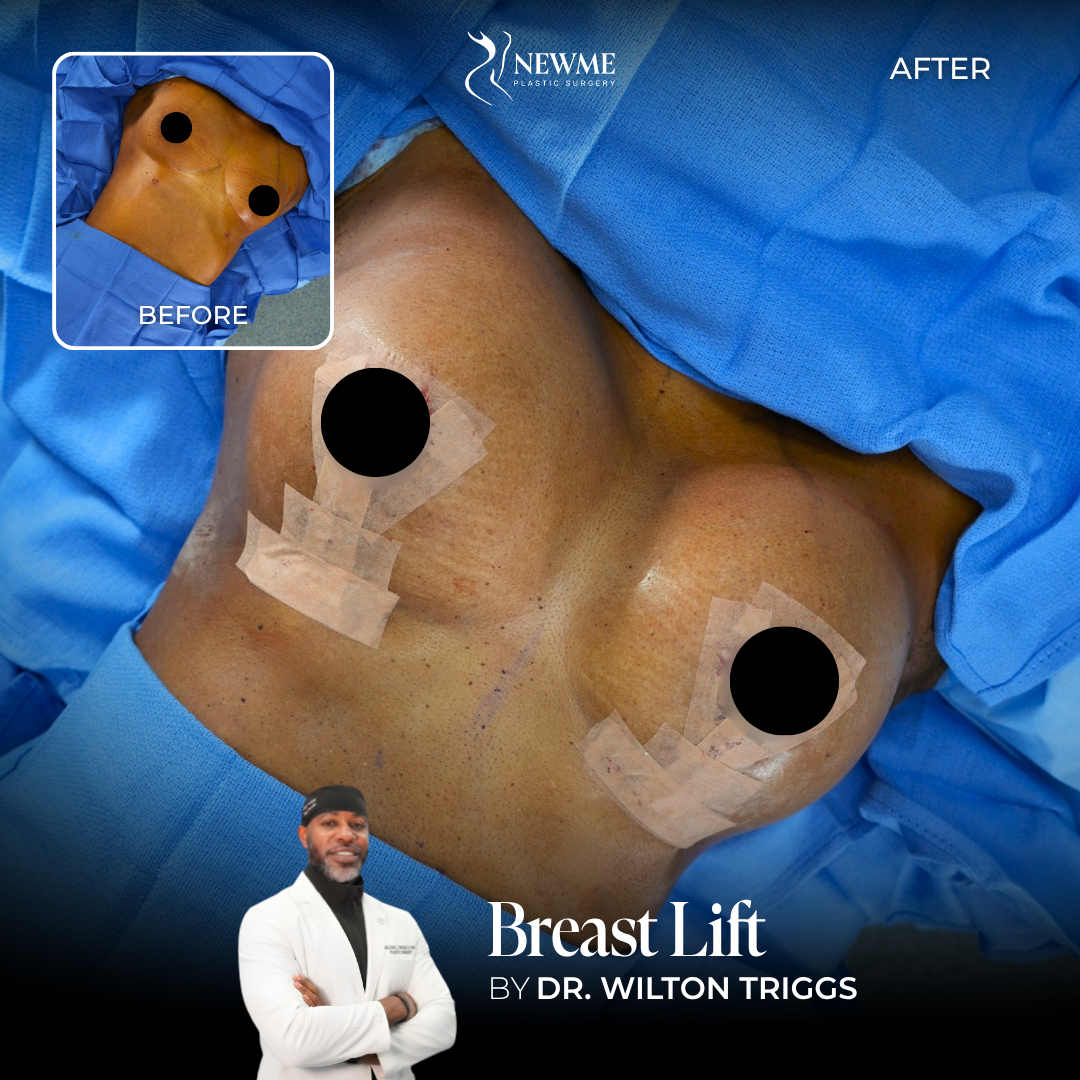
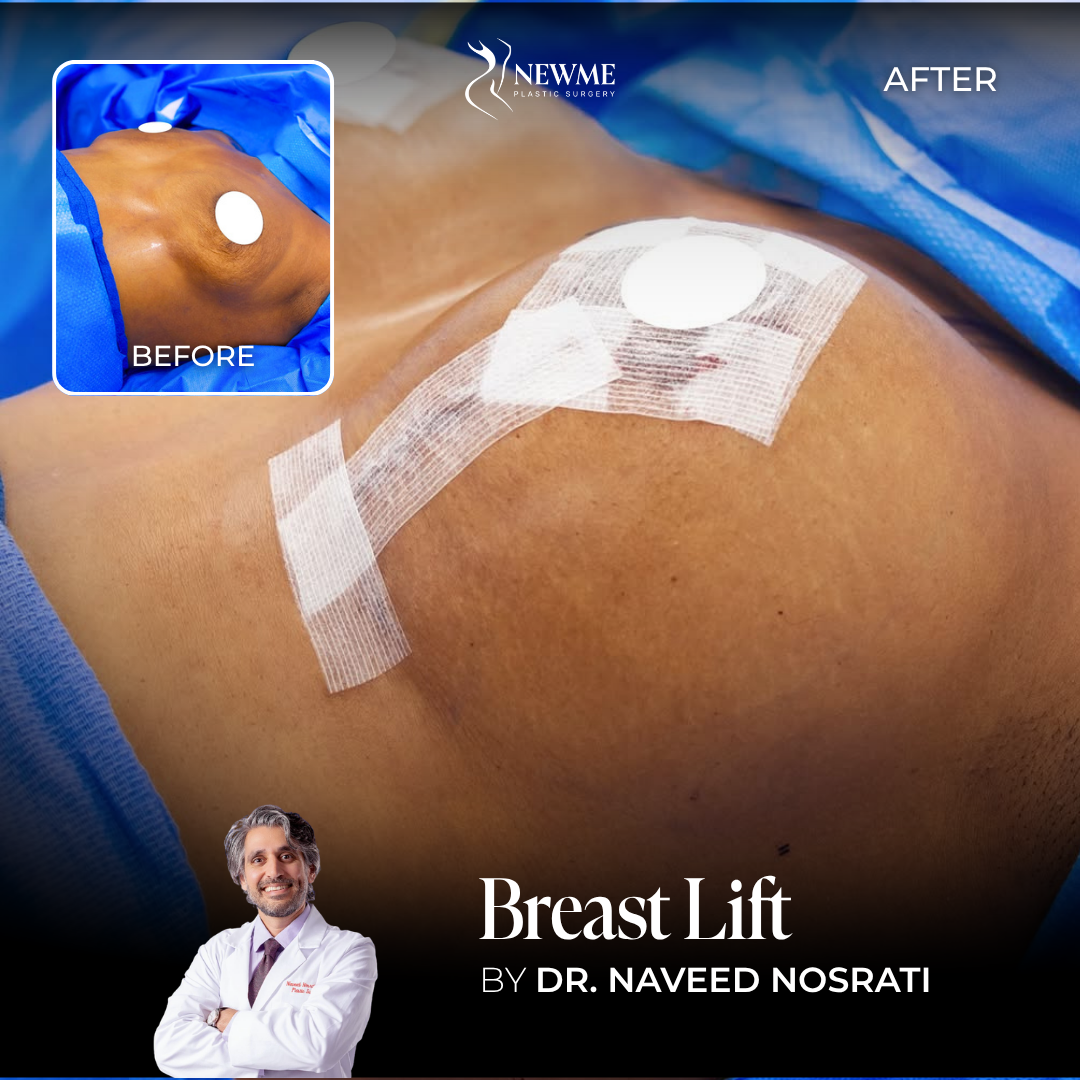
Breast reduction surgery, also known as reduction mammaplasty, is a surgical procedure designed to decrease breast volume by removing excess glandular tissue, fat, and skin. The primary objective is to achieve a breast size that is better aligned with the patient’s body frame and physical needs.
This procedure is commonly indicated for patients experiencing chronic physical symptoms associated with breast weight, including neck, shoulder, and upper back pain, skin irritation beneath the breasts, and limitations in physical activity or daily function.
In addition to symptom relief, breast reduction aims to improve breast proportion, posture, and overall functional comfort while preserving a natural breast contour and symmetry.
Surgical planning is based on detailed evaluation of breast volume, tissue composition, skin quality, nipple position, and individual health considerations to ensure a safe, effective, and medically appropriate outcome.


A detailed evaluation of breast size, shape, skin quality, and nipple position is performed to determine the appropriate reduction technique and incision pattern.
The procedure is performed under anesthesia in a controlled surgical environment to ensure patient safety and comfort.
Incisions are carefully planned to allow removal of excess tissue while supporting breast reshaping and scar concealment. The pattern varies based on the degree of reduction required.
Excess breast tissue, fat, and skin are removed, and the remaining tissue is reshaped to create a smaller, lighter, and more proportionate breast contour.
The nipple-areola complex is repositioned to a more anatomically appropriate height while preserving blood supply and sensation whenever possible.
Incisions are closed in layers with attention to wound support and healing. Dressings and supportive garments are applied during early recovery.
Reduces chronic neck, shoulder, and upper back discomfort associated with excess breast weight.
Decreases strain on the upper body, which may support better spinal alignment and posture.
May allow greater comfort during exercise and daily activities previously limited by breast size.
Helps alleviate skin irritation or rashes beneath the breasts caused by friction and moisture.
Creates a breast size more proportional to the body frame while preserving natural contour.
Addresses functional limitations related to breast weight, supporting overall quality of life.
This procedure is commonly considered for individuals experiencing chronic neck, shoulder, or back pain related to breast weight over time.
Patients with recurrent skin irritation, rashes, or discomfort beneath the breasts may benefit from volume reduction and improved hygiene.
Candidates are generally in good overall health, without uncontrolled medical conditions that could increase surgical risk during anesthesia.
Stable body weight is an important factor, as significant weight changes may affect surgical outcomes after the procedure and long-term results over time.
Pre- and post-operative care are essential components of breast reduction surgery. Proper preparation and structured follow-up support healing, safety, and long-term functional outcomes.
Before surgery, patients receive medical instructions focused on health optimization, surgical readiness, and overall safety planning.
After surgery, post-operative guidance supports healing, symptom monitoring, and appropriate follow-up throughout recovery.
Breast reduction surgery is commonly performed to address physical symptoms such as neck, shoulder, and back pain caused by excess breast weight. Symptom relief varies by individual and depends on anatomy and healing.
Incisions are necessary to safely reduce breast volume and reshape the breasts. Scars are placed strategically and typically fade over time with proper healing and postoperative care.
Recovery varies depending on the extent of the procedure and individual healing. Most patients experience gradual improvement over several weeks, with follow-up care guiding a safe return to daily activities.
Temporary changes in nipple sensation may occur, and breastfeeding capability can be affected depending on surgical technique. These considerations are discussed during consultation based on individual anatomy and goals.
Trusted and Rated 4.5 Stars on Google
Lorem ipsum dolor sit amet, consectetur adipiscing elit. Sed euismod, ligula vel bibendum varius, lacus nisi vulputate eros
Contact us